

7 Skin Barrier Repair Mistakes You're Probably Making (And How to Fix Them)
Your skin feels tight. It's red. Maybe a little flaky. Products that used to work now sting like you've just slapped hot sauce on your face.
Sound familiar? You've probably got a damaged skin barrier. And here's the kicker, your well-intentioned skincare routine might be the culprit.
The good news? Learning how to repair skin barrier damage isn't rocket science. But it does require ditching some habits you probably think are helping. Let's break down the seven most common skin barrier repair mistakes and exactly how to fix them.
First Up: What Even Is Your Skin Barrier?
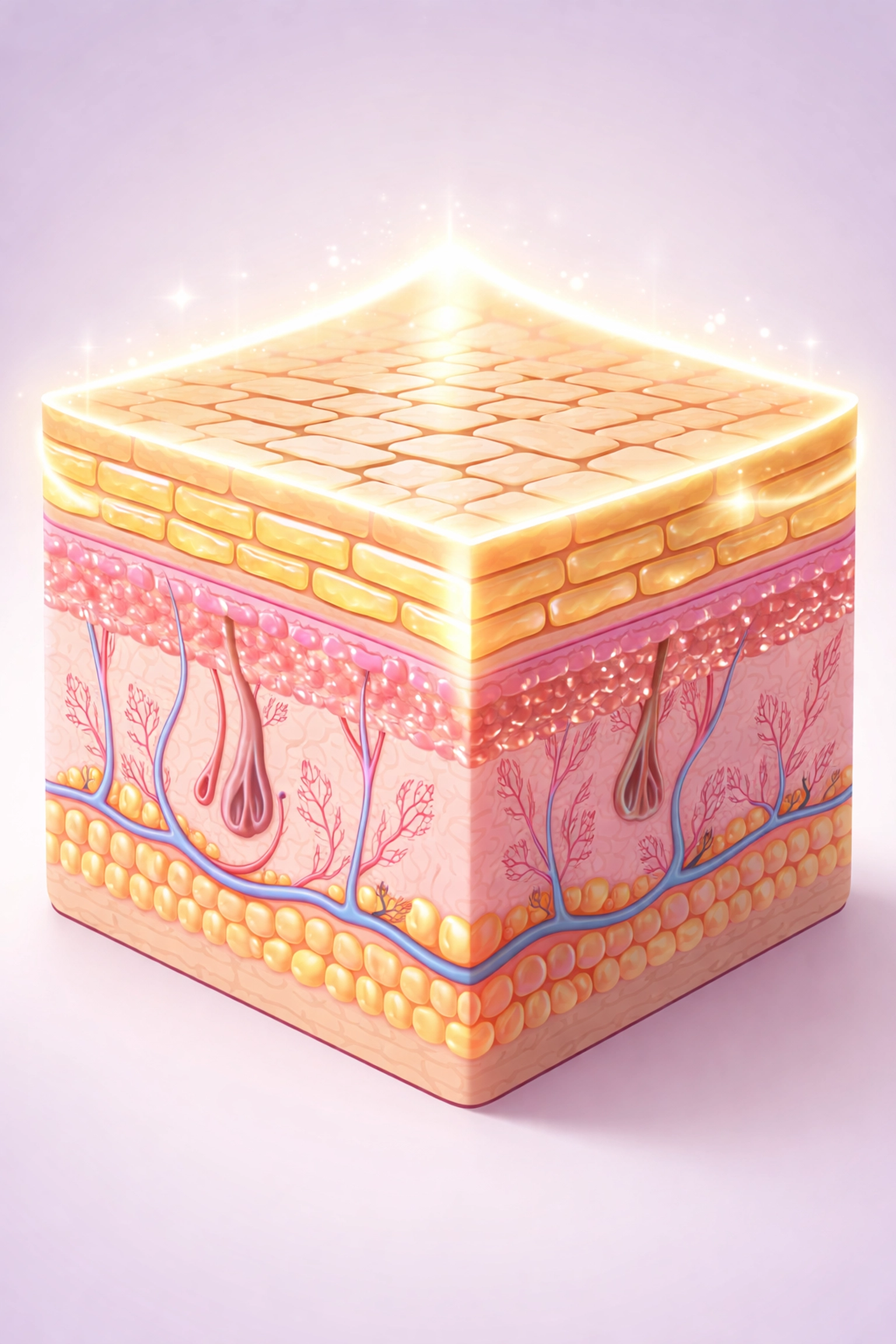
Think of your skin barrier as your face's personal bodyguard. It's the outermost layer of your skin (the stratum corneum, if you want to get technical), made up of skin cells held together by lipids, basically a brick-and-mortar wall that keeps the good stuff in and the bad stuff out.
When it's healthy, your skin stays hydrated, calm, and resilient. When it's compromised? Cue the dryness, sensitivity, breakouts, and that delightful "my face hates everything" feeling.
The tricky part is that many common skincare habits, ones that seem totally reasonable, can actually wreck this protective layer. Let's call them out.
Mistake #1: Washing Your Face Like It Owes You Money
We get it. Clean skin feels good. But if you're cleansing three, four, or five times a day, you're stripping away the natural oils your barrier desperately needs to function.
Over-cleansing triggers a vicious cycle: your skin gets dry, so it overcompensates by producing more oil, which leads to breakouts, which makes you want to wash more. See the problem?
The Fix: Twice a day. That's it. Morning and evening with a gentle, non-stripping cleanser that respects your skin's natural balance. Your barrier will thank you.
Mistake #2: Using a Cleanser That's Basically Chemical Warfare
That satisfying "squeaky clean" feeling after washing? It's actually a red flag. It means your cleanser has stripped your skin's acid mantle, the slightly acidic film that keeps barrier enzymes working properly.
Many foaming cleansers and products marketed as "deep cleansing" or "clarifying" have a high pH that disrupts your skin's natural environment. Not ideal when you're trying to figure out how to repair skin barrier damage.
The Fix: Look for cleansers with a pH between 4.5 and 5.5. Skip anything that promises to leave your skin "squeaky clean" and opt for gentle surfactants paired with hydrating ingredients instead.
Mistake #3: Turning Your Face Into a Steam Room
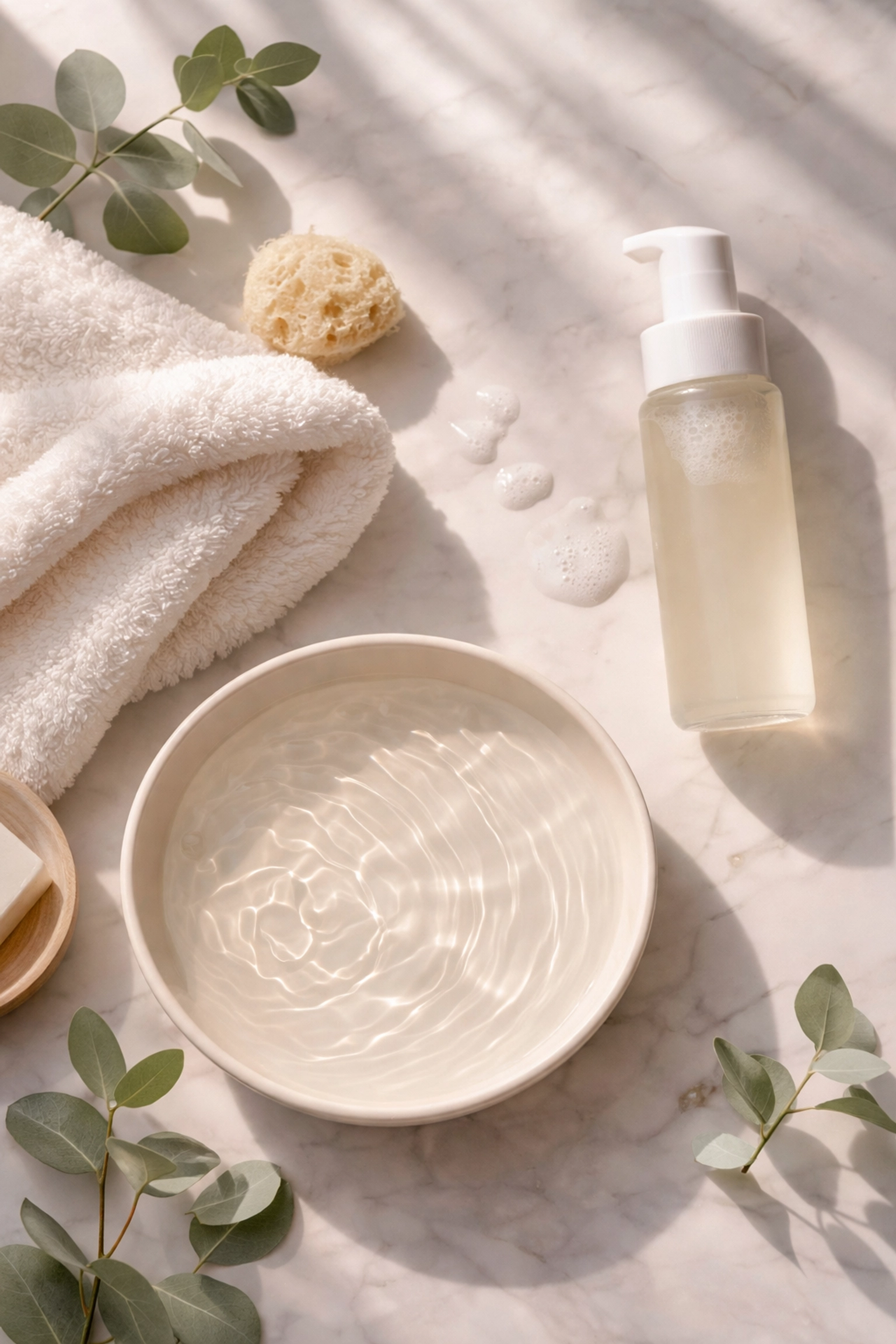
Hot showers feel amazing. Your skin barrier disagrees.
Hot water weakens the lipid layer that holds your barrier together and increases transepidermal water loss (fancy term for "moisture escaping your skin"). The result? A compromised barrier that struggles to bounce back.
The Fix: Lukewarm water only. We know it's less satisfying, but your skin will be noticeably calmer. And maybe don't let that hot shower water blast directly onto your face, angle yourself away and splash gently instead.
Mistake #4: Scrubbing Like You're Sanding a Floor
Physical exfoliation has its place. But daily scrubbing with rough washcloths, aggressive cleansing brushes, or gritty scrubs creates micro-tears in your skin barrier. You're essentially creating tiny wounds and wondering why your skin won't heal.
Even circular rubbing with too much pressure can cause damage when your barrier is already compromised.
The Fix: Ditch the tools. Use clean fingertips with light pressure to apply your cleanser. If you love physical exfoliation, limit it to once a week maximum, and skip it entirely while you're in active skin barrier repair mode.
Mistake #5: Letting Your Cleanser Throw a House Party on Your Face
You know those satisfying cleansing videos where people massage their face for three minutes straight? Looks relaxing. Terrible for your barrier.
The longer surfactants sit on your skin, the more oils they break down. What starts as cleansing becomes destruction.
The Fix: Keep it to 20–30 seconds. Focus on areas with sunscreen or makeup buildup, then rinse promptly. Your cleanser is a guest, not a resident.

Mistake #6: The Half-Hearted Rinse
Plot twist: it's not just about what you put on your face, it's about what you leave behind.
Cleanser residue hanging around your hairline, jawline, and the sides of your nose can mess with your skin's pH, cause irritation, and even lead to congestion. It also creates a film that blocks your other skincare products from absorbing properly.
The Fix: Rinse for a solid 30 seconds using gentle splashing motions. Pay extra attention to commonly missed spots: hairline, jaw, around your ears, and those nose creases. Be thorough, not aggressive.
Mistake #7: Walking Away Without Moisturiser
Here's something most people don't realise: even the gentlest cleanser temporarily increases water loss from your skin. Your barrier is momentarily more vulnerable right after cleansing.
If you skip straight to scrolling your phone or making breakfast, you're leaving that window wide open for moisture to escape.
The Fix: Apply moisturiser within 60 seconds of cleansing. Look for barrier-repair heroes like ceramides, glycerin, hyaluronic acid, and cholesterol. These ingredients mimic and reinforce your skin's natural lipid structure.
Pairing your moisturiser with a hyaluronic acid serum can supercharge hydration and support faster skin barrier repair.

How Long Does Skin Barrier Repair Actually Take?
Real talk: this isn't an overnight fix. Expect your skin barrier to recover in 2–6 weeks with a consistent, gentle routine.
During this time, put your actives on the bench. That means no:
- Exfoliating acids (AHAs, BHAs)
- Retinoids
- Strong acne treatments
- Vitamin C serums (depending on sensitivity)
We know it feels counterintuitive to "do less" when your skin is freaking out. But stripping back your routine is exactly what allows healing to happen.
The Barrier-Repair Game Plan
Ready to actually fix this? Here's your simplified routine:
Morning:
- Rinse with lukewarm water (or gentle cleanser if needed)
- Hydrating serum
- Moisturiser
- SPF (non-negotiable, UV damage slows barrier recovery)
Evening:
- Gentle cleanser for 20–30 seconds
- Thorough rinse
- Hydrating serum
- Moisturiser within 60 seconds
That's it. Boring? Maybe. Effective? Absolutely.
Once your barrier feels stable again, no tightness, no stinging, no random redness, you can slowly reintroduce your actives. One at a time. With patience.
The Bottom Line
Learning how to repair skin barrier damage comes down to one principle: stop making things harder for your skin.
Less cleansing. Gentler products. Lukewarm water. Light touch. Quick rinse. Immediate moisture.
Your skin barrier wants to heal itself: it's literally designed to do that. Your job is to stop getting in its way.
Ready to rebuild? Start with the basics: a gentle cleanser, quality hydration, and a whole lot of patience. Your healthiest skin is waiting on the other side.
#lumeskinlabs


